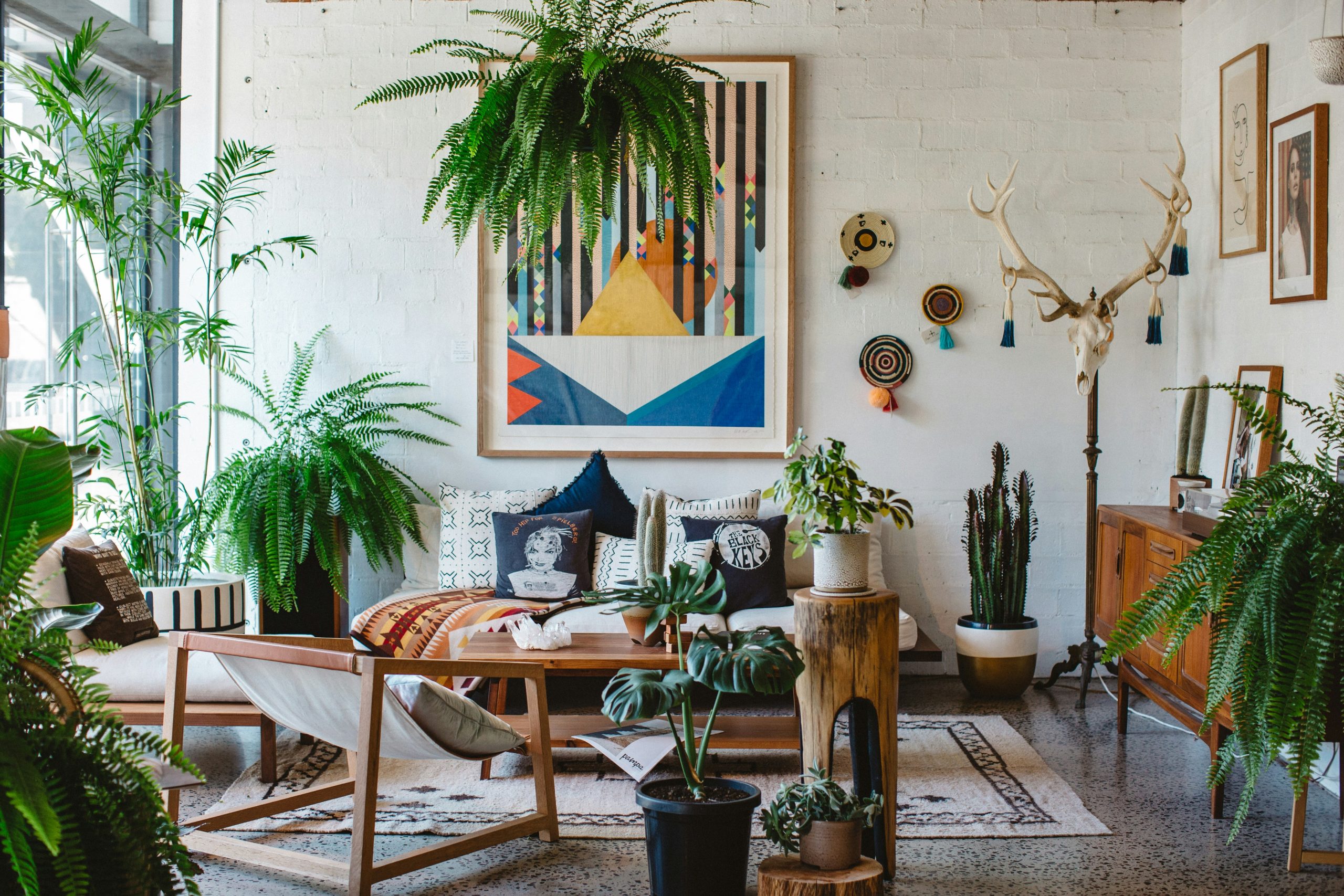
There is something profoundly rewarding about sharing your living space with vibrant greenery. Beyond their undeniable aesthetic charm, indoor plants act as natural air purifiers, elevate indoor humidity, and foster a soothing, tranquil environment. Whether you inhabit a sun-drenched sanctuary or a cozy, low-light studio, building a flourishing indoor jungle is well within your reach.
Here are the essential foundations to help your indoor garden thrive year-round.
1. Master the Art of Lighting
Lighting is the single most vital factor in indoor plant care. Plants rely on light to produce energy through photosynthesis, but different species have wildly different lighting requirements:
- Bright, Direct Light: South- and West-facing windows provide full, intense sunlight. These spots are ideal for succulents, cacti, Mediterranean herbs, and citrus trees.
- Bright, Indirect Light: East-facing windows or spaces placed a few feet away from South-facing glass receive soft, filtered rays. Tropical favorites like Monstera deliciosa, Fiddle Leaf Figs, Pothos, and Philodendrons flourish under these conditions.
- Low Light: Interior rooms or North-facing windows offer limited ambient light. Resilient varieties such as Snake Plants, ZZ Plants, Cast Iron Plants, and Peace Lilies can easily adapt to these dimmer corners.
Pro Tip: If your living area lacks natural daylight, consider adding full-spectrum LED grow lights. Positioning them 6–12 inches above your plants for 12 to 14 hours a day ensures steady, healthy growth regardless of window placement.
2. Avoid the #1 Plant Killer: Overwatering
More houseplants perish from overzealous watering than from neglect. Soggy soil starves roots of necessary oxygen, creating an environment where root rot thrives.
To avoid overwatering, rely on the simple Finger Test: insert your index finger two inches deep into the potting medium. If the soil feels dry and warm, give your plant a thorough soak. If it feels cool and damp, hold off for a few more days. Always ensure your pots feature adequate drainage holes, and remember to empty saucer trays 15–20 minutes after watering so roots never sit in stagnant water.
3. Choose the Right Soil and Maintain Clean Foliage
Outdoor garden soil is far too dense for container gardening and often harbors harmful pests or fungal spores. Always use a well-draining, lightweight indoor potting soil formulated with peat moss, coco coir, and perlite to promote optimal root respiration.
In an enclosed home environment, dust quickly settles on plant leaves, blocking sunlight and clogging stomata (the pores plants use to breathe). Make it a habit to wipe broad-leaf plants with a soft, damp cloth every couple of weeks. During the spring and summer growing seasons, feed your green companions with a balanced, organic liquid fertilizer diluted to half-strength.
Final Thoughts: Enjoy the Process
Indoor gardening is a rewarding journey of observation and care. Start with two or three beginner-friendly plants, learn to read their visual cues, and adjust your care routine as seasons shift. Before long, you’ll enjoy a lush, refreshing botanical sanctuary right inside your home!