Impact of a Flower in Mental Health

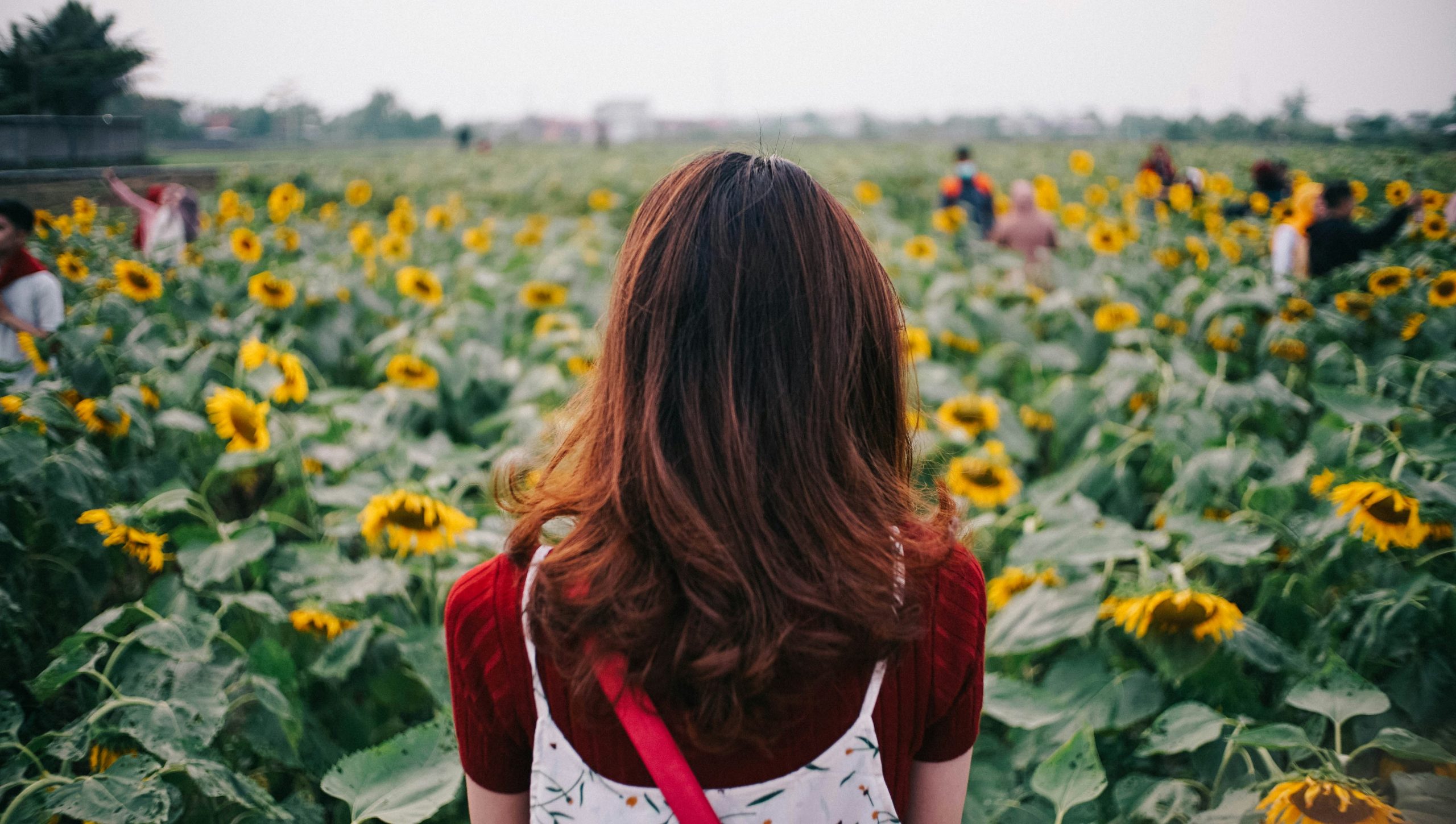
Modern clinical research increasingly validates what traditional cultures have known for centuries: living with plants and flowers is not merely decorative; it is deeply restorative medicine for the human mind, reducing acute stress and fostering psychological equilibrium.
Horticultural Therapy: Science-Backed Healing
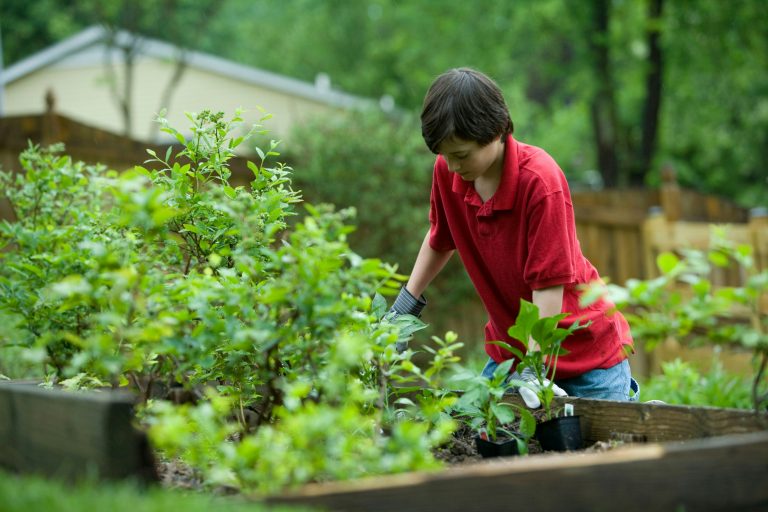
Horticultural therapy is now practiced in leading wellness centers and medical institutions globally. Psychologists find that patients who engage in nurturing floral plants demonstrate marked reductions in cortisol (the primary stress hormone), lower systolic blood pressure, and decreased self-reported anxiety scores.
Caring for flowers requires patient attentiveness—watering when dry, gently removing wilted leaves, and rotating pots for balanced sunlight. This gentle routine pulls the mind out of repetitive negative rumination and anchors it in quiet purposeful creation.
Color Psychology and Floral Aromatherapy
Colors and natural scents play an instrumental role in guiding mood states:
- Cool Lilacs, Blues, and Soft Pinks: Induce tranquil nervous system responses, ideal for bedrooms and reading nooks.
- Sunny Yellows and Bright Oranges: Elevate energy levels, encourage spontaneous cheerfulness, and counter seasonal sluggishness.
- Lavender & Gardenia Aromas: Contain natural terpenes like linalool that calm erratic heart rates and encourage deeper sleep.
Creating a Restorative Green Corner at Home
You do not need an expansive estate to reap these emotional benefits. A dedicated therapeutic corner on a balcony, sunny window ledge, or study desk featuring 3 to 5 companion plants can significantly improve your daily mental clarity and resilience.
Conclusion
When the chaos of modern life becomes overwhelming, step outside and pause before a blooming petal. Take a slow, grounding breath. Nature’s quiet wisdom is always available to heal, center, and uplift your spirit.
About Sunita Karki
Nature Therapist and Plant Care Specialist passionate about biophilic living, floral aromatherapy, and the restorative benefits of home greenery.
Related Articles