How to Become a Gardener in Kathmandu Valley: A Practical Career Guide

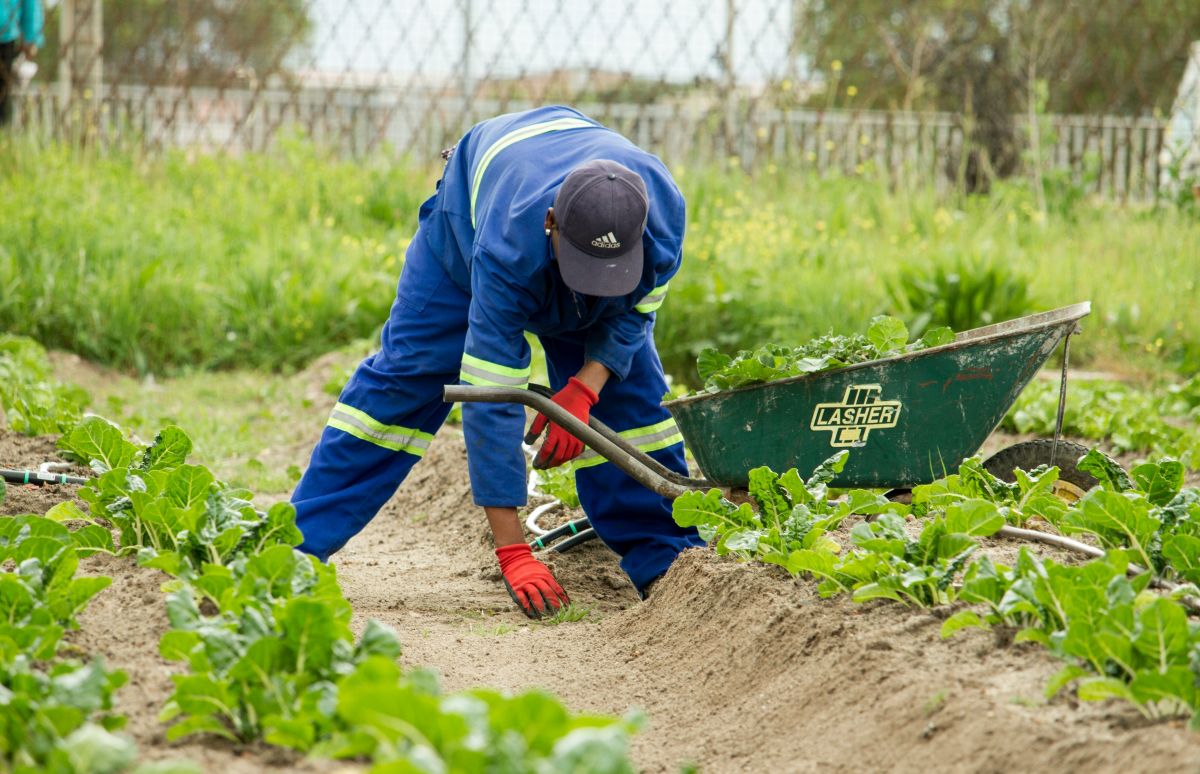
Kathmandu is changing fast. Concrete buildings are rising, but so is the desire for greenery. More families are building rooftop gardens, decorating balconies with plants, and hiring someone to keep their lawns and terraces healthy. Offices, schools, hotels, and restaurants want well-kept green spaces too. This has created a steady demand for skilled gardeners, and the best part is that almost anyone can enter this field. If you are between 18 and 50, willing to work with your hands, and eager to learn, gardening could be a flexible and rewarding career for you.
Why Gardening Is a Good Career Choice in Kathmandu
Growing demand. Many homeowners lack the time or knowledge to care for their plants. They are happy to pay a reliable person to do it.
Low entry barrier. You do not need a university degree or a large investment. Basic skills, a few tools, and a good attitude are enough to begin.
Flexible hours. Gardening suits people who want part-time work alongside studies, a job, or family duties.
Open to all ages. Whether you are a young person of 18 looking for your first income or someone nearing 50 seeking a healthier, more independent way to earn, gardening welcomes you.
Healthy and satisfying work. You spend your days outdoors, stay active, and see the results of your effort grow in front of you.
Step 1: Learn the Basics Through Short-Term Training
The easiest way to begin is by joining a short-term gardening or horticulture training course. Several institutes, nurseries, and agricultural training centers in and around the valley offer practical courses that last from a few days to a few weeks. Ask at local nurseries, agriculture training centers, and community organizations about upcoming programs.
A good beginner course typically covers:
- Soil preparation and compost making
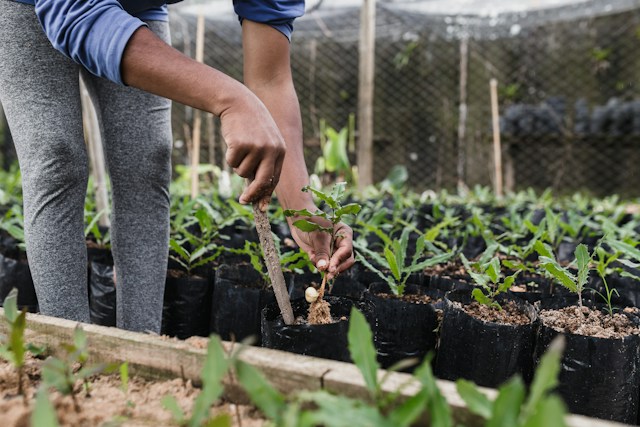
- Planting, transplanting, and propagation
- Watering methods and plant nutrition
- Pruning, trimming, and lawn care
- Identifying common pests and diseases
- Organic and natural pest control
- Rooftop and container gardening
Training gives you confidence, a basic certificate to show clients, and a chance to meet others in the field. Before enrolling, ask about the course content, fees, and how much hands-on practice is included.
Step 2: Start as a Garden Helper
Do not rush to work independently on day one. Begin as a garden helper, working under an experienced gardener, a landscaping company, or a plant nursery. This stage is your real classroom. You will learn how professionals handle different plants, how long jobs take, how to deal with clients, and how to solve unexpected problems. You may earn less at first, but the experience is valuable. After a few months of practice, you will be ready to take on your own clients.
Step 3: Keep Learning from YouTube
Learning does not stop after a course. YouTube is a free and powerful resource. You can find tutorials on pruning techniques, rooftop gardens, composting, grafting, plant diseases, and lawn maintenance. Watch videos in Nepali, Hindi, or English, and always try what you learn on real plants. Follow local gardening channels as well, since they cover Nepal’s climate, seasons, and common plants. Take notes, practice weekly, and slowly build a repertoire of skills that sets you apart from other gardeners.
Step 4: Buy Your Basic Tools
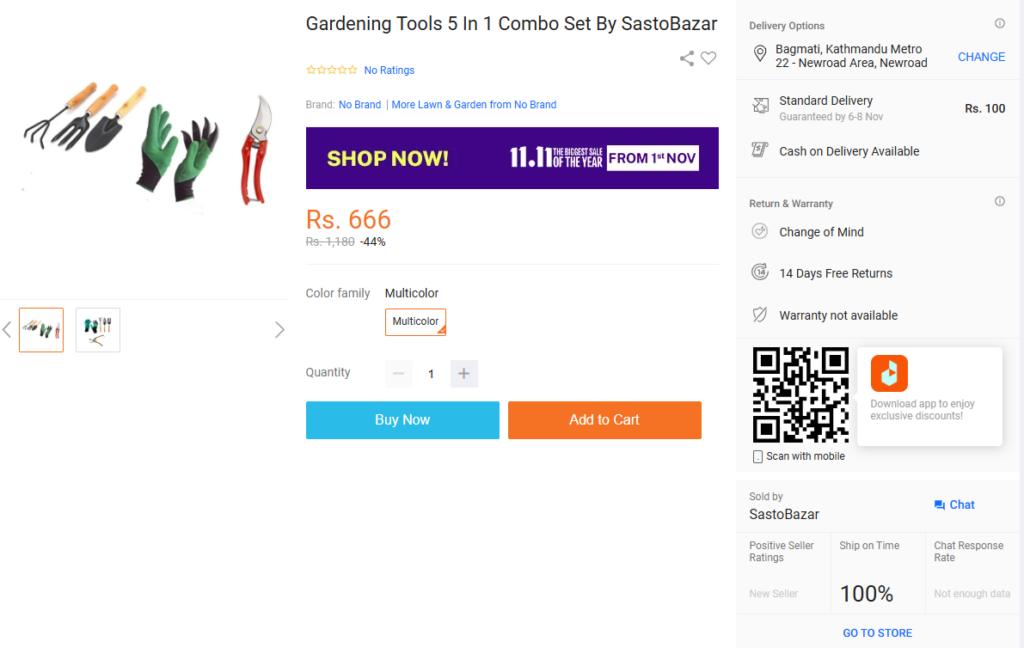
You can start with a modest toolkit costing roughly NPR 1,000 to 1,500. Many items are available on e-commerce platforms like Daraz, so you can compare prices and have them delivered to your door. A basic starter kit usually includes:
- Hand trowel
- Pruning shears (secateurs)
- Small hand fork or cultivator
- Gardening gloves
- Watering can or sprayer
- Small rake or hoe
As your income grows, you can add better-quality tools, a hedge trimmer, a lawn mower, or a larger sprayer. Always clean and dry your tools after use so they last longer.
Step 5: Find Your Clients
Kathmandu is full of opportunities. Start by approaching:
- Professional gardening company
- Apartment complexes and housing societies
- Offices, schools, and small businesses
- Cafes, restaurants, and hotels with gardens
- Landscaping companies and nurseries needing extra hands
Word of mouth is powerful. Do a good job, be punctual, and clients will recommend you. You can also post on Facebook community groups, local marketplace pages, and WhatsApp or Viber groups. Take before-and-after photos of your work and share them to build trust.
Working Hours and Time Slots
One of the biggest advantages of gardening is its flexible schedule. Many gardeners work in time slots like these:
- 6 am to 9 am
- 10 am to 1 pm
- 2 pm to 5 pm
- 6 pm to 9 pm
You can choose one slot or several, depending on your availability. A student might take the early morning or evening slots, while someone with a full day free might handle two or three clients. Early mornings and late afternoons are also more comfortable for outdoor work, especially in summer.
How Much Can You Earn?
Rates depend on your skills, experience, and the type of work. In Kathmandu, a gardener can charge roughly:
- NPR 500 to 1,500 per hour
- NPR 1,500 to 3,000 for a three-hour session
Beginners usually start toward the lower end. As you gain experience, build a reputation, and learn specialized skills such as rooftop gardening, landscaping, or organic pest management, you can charge higher rates. If you manage two or three sessions a day, the income can become quite attractive compared with many entry-level jobs.
Tips to Grow Your Gardening Career
- Be reliable. Arrive on time and finish what you promise.
- Communicate clearly. Agree on rates, hours, and tasks before starting.
- Specialize. Skills like terrace gardens, bonsai, or organic vegetable gardens command higher pay.
- Build a regular client list. Weekly or monthly maintenance contracts give steady income.
- Stay updated. Seasonal changes in Kathmandu mean different plants and tasks throughout the year.
- Look after your health. Use gloves, drink water, and protect yourself from the sun.
Final Thoughts
Becoming a gardener in Kathmandu Valley does not require a big investment or years of study. With short-term training, hands-on experience as a helper, regular learning from videos, and a basic toolkit, you can begin earning within a few weeks. As the city grows greener and more people value their gardens, skilled gardeners will be in even higher demand. If you enjoy working outdoors and want a flexible, rewarding career, now is the perfect time to start. Pick up your tools, learn something new each day, and watch your skills, and your income, grow.
About Aakriti Simkhada
Hi, I’m Aakriti Simkhada, an IT student with a passion for technology and problem-solving.
Related Articles