Benefits of Gardening: Why every Nepali home deserves green corner

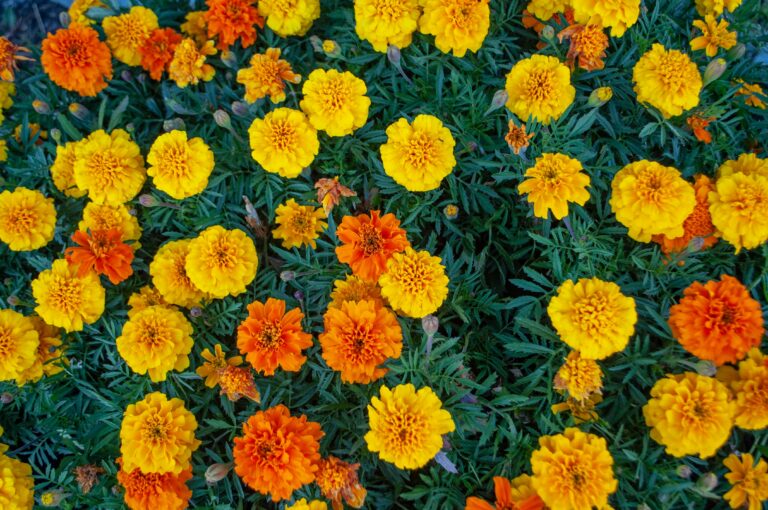
Walk through any neighborhood in Nepal, from the crowded lanes of Kathmandu to the terraced hills of Pokhara, and you will notice something special. Marigolds line the doorsteps, tulsi plants sit proudly in the courtyard, and rooftops overflow with pots of chilies and spinach. Gardening is woven into our culture and daily life. But beyond tradition and beauty, gardening offers a remarkable range of benefits for our bodies, minds, wallets, and environment. Here is why you should pick up a trowel today.
1. Fresh, Healthy Food at Your Doorstep
Perhaps the most practical benefit of gardening is access to fresh, chemical-free produce. Vegetables bought from the market often travel long distances and may carry pesticide residues. When you grow your own, you know exactly what goes into your food.
Many vegetables suit Nepal’s climate well. Spinach (palungo), mustard greens (rayo saag), radish (mula), tomatoes, chilies, coriander, and beans thrive in home gardens across the country’s varied altitudes. Harvesting a handful of greens minutes before cooking dal bhat is a joy that no market purchase can match. Fresh produce also keeps more of its nutrients, which means better meals for your family.
2. A Natural Way to Stay Fit
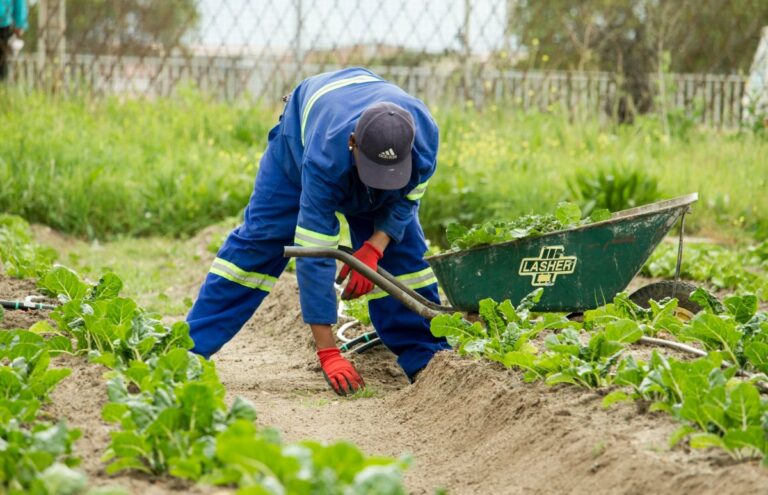
Gardening is exercise in disguise. Digging, planting, weeding, watering, and carrying compost all work your muscles and improve flexibility, balance, and stamina. An hour of gardening can burn as many calories as a brisk walk, yet it never feels like a workout.
For older family members, gardening is a gentle activity that keeps joints moving and encourages time outdoors. Exposure to morning sunlight also helps the body produce vitamin D, which supports strong bones, something especially valuable during the dark, smoggy winter months in the valley.
3. Relief from Stress and Better Mental Health
Modern life in Nepal’s cities is fast and noisy. Traffic, work pressure, and constant phone notifications take a toll. Gardening offers a peaceful escape. Working with soil and plants slows your mind and draws your attention to the present moment, a bit like meditation.
Studies have linked gardening with lower stress levels, reduced anxiety, and improved mood. Watching a seed sprout into a seedling, then into a flowering plant, gives a quiet sense of accomplishment and hope. For students, professionals, and retirees alike, a small garden can become a daily source of calm.
4. Savings on Your Household Budget
With prices of vegetables and herbs rising steadily, a home garden can trim your monthly expenses. Seeds and seedlings are inexpensive, and a single plant can yield produce for weeks. Herbs like mint, coriander, and curry leaves, which are frequently bought in small bundles, grow easily in pots and keep giving.
You can save even more by making your own compost from kitchen scraps and fallen leaves, and by saving seeds from healthy plants for the next season. Over time, these small savings add up.
5. Cleaner Air and a Cooler Environment
Kathmandu Valley’s air pollution is a well-known concern, and plants are small but real allies in the fight against it. They absorb carbon dioxide, release oxygen, and trap dust particles on their leaves. Indoor plants such as snake plant and money plant can also freshen the air inside your home.
Gardens also help cool their surroundings. In concrete-heavy urban areas, green rooftops and balconies reduce heat and make living spaces more comfortable. Trees and shrubs provide shade, and healthy soil absorbs rainwater, reducing runoff during the monsoon.
6. Supporting Biodiversity
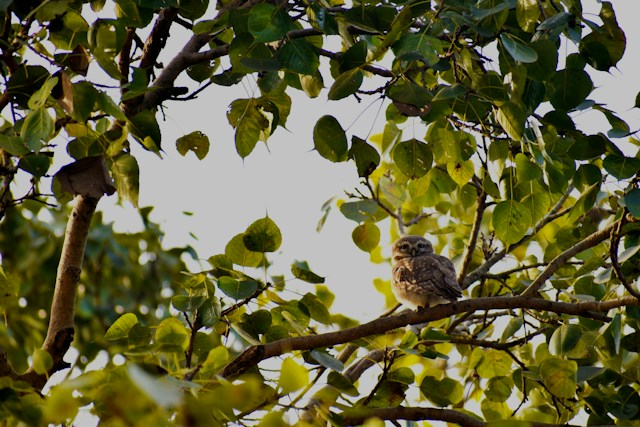
A garden is a tiny ecosystem. Flowering plants attract bees, butterflies, and other pollinators that are vital for food production across Nepal. Birds visit to feed on insects and berries, adding music to your mornings. By avoiding harsh chemicals and planting a variety of species, you create a welcoming habitat for wildlife even in a small urban space.
7. Bringing Families and Communities Together
Gardening is a wonderful way to bond. Children learn patience, responsibility, and where food comes from when they help plant and water. Grandparents can share traditional knowledge about seasons, crops, and medicinal plants. Neighbors exchange seeds, cuttings, and advice, building friendships along the way.
Community and school gardens are also growing in popularity, giving people without private land a place to grow together and share the harvest.
8. Preserving Culture and Tradition
Many plants hold cultural significance in Nepal, from tulsi in Hindu households to marigolds and sayapatri during Tihar and other festivals. Growing them yourself keeps these traditions alive and connects younger generations to their heritage.
Getting Started
You do not need a large plot of land. Begin with a few pots on a sunny balcony or rooftop. Choose easy plants like coriander, spinach, or chilies, use good quality soil enriched with compost, and water regularly. Learn as you go, and do not be discouraged by early mistakes. Every gardener has lost a few plants along the way.
Final Thoughts
Gardening nourishes the body, calms the mind, protects the environment, and strengthens the bonds between people. Whether you have a spacious courtyard in the hills or a few pots in a city apartment, you can enjoy these benefits. So grab some seeds, find a sunny spot, and start growing. Your future self, and your plate, will thank you.
About Aakriti Simkhada
Hi, I’m Aakriti Simkhada, an IT student with a passion for technology and problem-solving.
Related Articles