How a Peepal Tree Can Destroy Your Home (and What to Do About It)

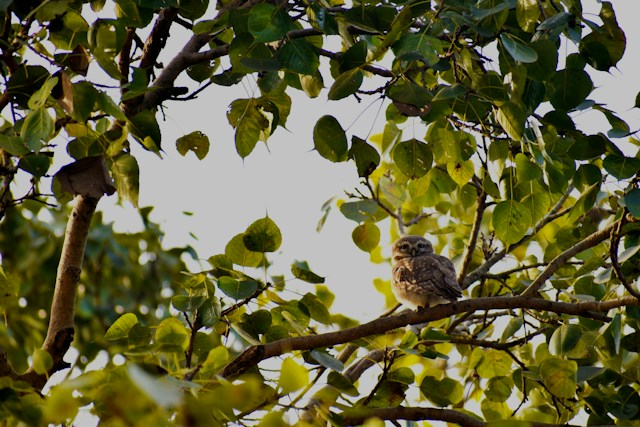
In Nepal, the peepal (Ficus religiosa) is much more than a tree. You find it beside temples, at village chautaras, and along pilgrimage routes. It is sacred to Hindus and Buddhists alike, and many people believe the Buddha attained enlightenment beneath one. Its heart-shaped leaves, deep shade and long life make it deeply loved.
But as a gardener, you should know that a peepal growing in the wrong place can quietly wreck a house. Here is how it happens, and how to protect your property without disrespecting a sacred tree.
It Starts Small: The Bird-Sown Seedling
Peepal seeds are tiny, and birds love figs. Seeds drop from their droppings onto rooftops, parapet walls, water tanks, old boundary walls and cracks in concrete. All a seedling needs is a pinch of dust, a little moisture and a crack to sit in. Within a monsoon season, a green spring the size of your finger can appear on your wall.
Many homeowners ignore it because it looks harmless, even charming. This is the most expensive mistake.
Roots That Behave Like Crowbars
The peepal is a fig, and figs are famously aggressive. Its roots seek out moisture and push through whatever is in the way. As they thicken, they exert tremendous pressure, and the damage usually unfolds in stages:
- Surface cracks widen. Tiny roots enter hairline cracks in plaster or mortar and expand them year after year.
- Walls separate. Roots grow between bricks or stones, loosening the bonds and creating gaps that let in rain.
- Roofs and slabs fail. Roots on a flat concrete roof can lift waterproofing layers and crack the slab, leading to chronic leaks.
- Foundations are undermined. A mature tree growing near the house sends roots under the footing, where they can shift soil and cause uneven settling.
In an earthquake-prone country like Nepal, weakened walls and foundations are a serious safety concern.
Water Pipes, Drains and Septic Tanks
Roots are drawn to water. A peepal near your house will find leaking joints in water pipes, drainage lines and septic tanks, enter them, and grow into dense masses that block flow. You may notice slow drains, recurring blockages and damp patches in the yard long before you suspect the tree.
Moisture, Mold and Pests
A peepal on or beside a wall holds moisture against the surface. Damp walls lead to peeling paint, salt deposits, mold and rotting wooden frames. Dense growth also creates hiding places for insects, rodents and snakes close to your living space.
A Giant in the Making
A peepal is not a modest garden plant. Left alone, it can reach 20 to 30 metres with a huge spreading crown, and it can live for hundreds of years. Heavy branches can fall in strong winds or storms, damaging roofs, vehicles and people. Falling leaves and figs also clog gutters and create constant cleanup work.
What You Should Do
- Remove seedlings early. This is the single most effective step. Pull small seedlings out by hand, including as much root as you can, ideally after rain when the surface is soft. Check rooftops, water tanks, parapets and compound walls every monsoon.
- Seal cracks. Repair gaps in plaster, mortar and concrete so seeds have nowhere to take hold.
- Never plant one near a house. If you want a peepal, give it space in open land, a community area or a temple compound, well away from buildings, pipes and boundary walls. A safe distance is generally at least 15 to 20 metres from structures.
- Dig out established plants properly. A woody sapling cut at the stem will often sprout again. The roots need to be removed, or the stump treated, and a mason or civil engineer can advise when a plant is close to your foundation.
- Relocate, don’t destroy, where possible. Because of its sacred status, many families are uncomfortable cutting a peepal. Small saplings can often be carefully dug up and replanted in a temple, community land or open ground. For a large tree, check with your ward office or municipality, as rules on cutting mature trees vary. Consulting a local priest or elder can also help the family feel at peace with the decision.
Respect the Tree, Protect the Home
None of this makes the peepal a bad tree. It cleans the air, shelters birds and animals, and holds a unique place in our culture. The problem is simply placement. A peepal in an open courtyard or temple ground is a blessing. A peepal growing out of your roof or foundation is a slow-moving disaster.
So the next time you spot a small green seedling in a wall crack, don’t wait. A few minutes with your hands today can save you lakhs of rupees in repairs tomorrow.
About Aakriti Simkhada
Hi, I’m Aakriti Simkhada, an IT student with a passion for technology and problem-solving.
Related Articles