Growing Marigolds and Sayapatri for Tihar at Home

When Tihar arrives, Nepal glows with color. Doorways are draped in garlands, the entrances of homes are decorated with flowers, and the air carries the scent of marigolds. The two stars of the festival are sayapatri (the common marigold, often the smaller, many-petaled variety) and makhamali (the cockscomb), but sayapatri and marigold garlands are especially central to the celebration. Buying flowers at festival time can be expensive, and prices climb every year. The good news is that growing them at home is simple, affordable, and deeply satisfying. Here is how to prepare your own Tihar garden.
Why Grow Your Own Tihar Flowers?
Savings. Garland prices rise sharply in the days before Laxmi Puja and Bhai Tika. A few healthy plants can supply enough blooms for your entire home.
Freshness. Flowers picked that morning last longer and look brighter than those that have traveled to the market.
Tradition. Offering flowers you grew yourself adds a personal, meaningful touch to the festival.
Natural pest control. Marigolds release a scent that helps repel certain insects, making them excellent companions for your vegetable garden.
Understanding the Two Flowers
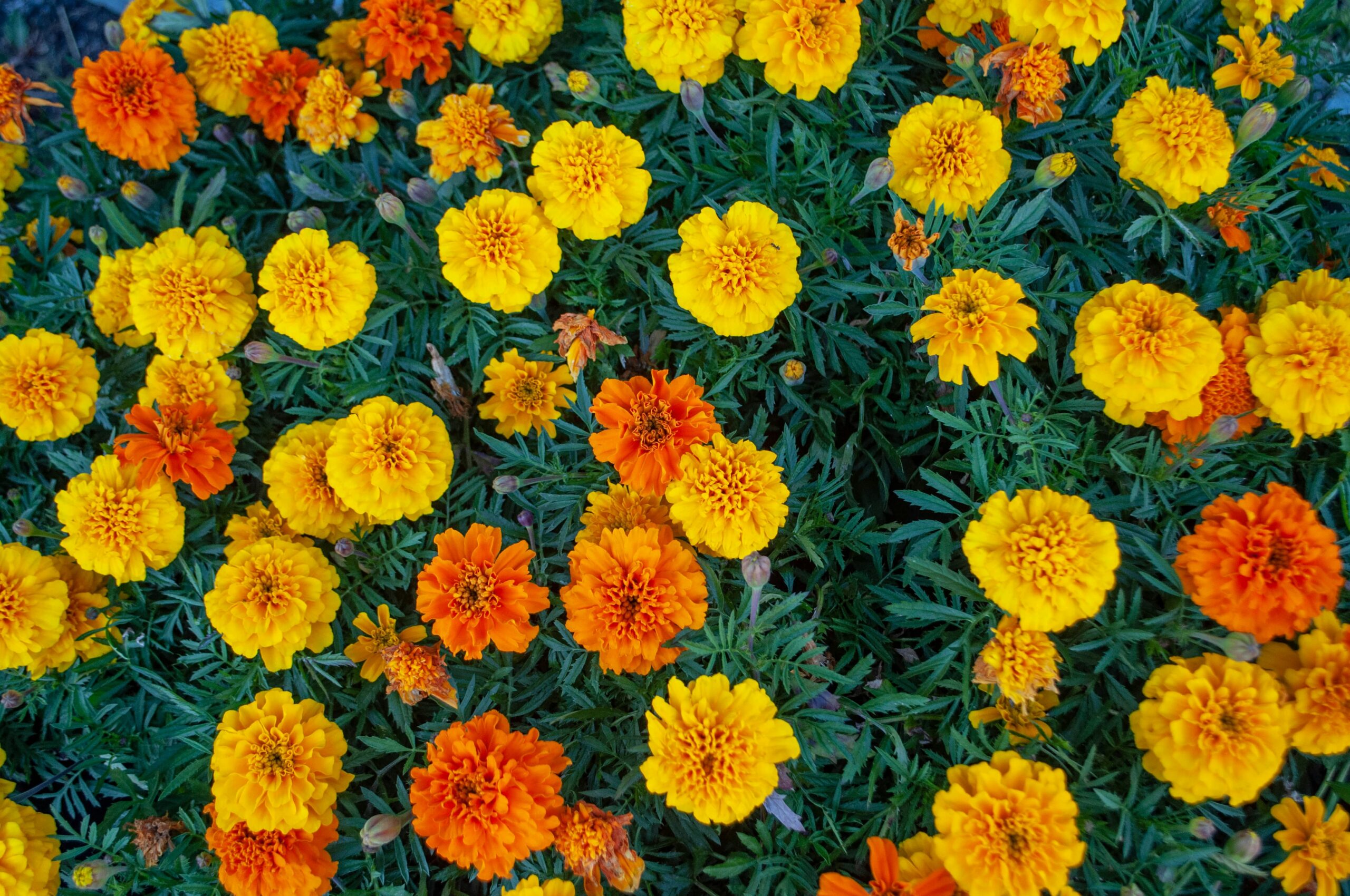
Marigold (Tagetes): Known locally as sayapatri in many households, marigolds come in shades of yellow, orange, and gold. African marigolds produce large, ball-shaped flowers ideal for garlands, while French marigolds are smaller and more compact.
Sayapatri (Chrysanthemum-type marigold): Many Nepali families use “sayapatri” for the small, round, golden-orange flowers that produce a thick cluster of petals. These are the blooms most commonly strung into malas.
Both are hardy, sun-loving, and beginner friendly.
Timing Is Everything
Tihar usually falls in October or November, so planning backward is key. Marigolds typically take about two to two and a half months from seed to flowering.
- Sow seeds: Mid to late August (during the monsoon, in pots or seed trays)
- Transplant seedlings: Around three to four weeks later, when they have four to six leaves
- Flowering: From late October onward
If you missed the seed stage, simply buy healthy seedlings from a local nursery in September and transplant them. Check the Tihar date on the Nepali calendar each year and count back about ten weeks.
Step-by-Step Growing Guide
1. Choose a Sunny Spot
Marigolds need at least five to six hours of direct sunlight. A sunny courtyard, rooftop, or balcony works perfectly. Too much shade gives you leafy plants with few flowers.
2. Prepare the Soil
Use loose, well-draining soil. Mix garden soil with compost or well-rotted manure in equal parts. Marigolds do not like waterlogged roots, which is especially important during the monsoon, so make sure pots have drainage holes.
3. Sow the Seeds
Sprinkle seeds in a seed tray or small pot and cover with a thin layer of soil. Keep the soil moist but not soggy. Seeds usually sprout within five to seven days.
4. Transplant Carefully
When seedlings are about 10 to 12 cm tall, move them to larger pots or garden beds. Space plants 25 to 30 cm apart so air can circulate. In pots, use containers at least 25 cm wide and plant one or two seedlings in each.
5. Water Wisely
Water at the base of the plant in the morning, avoiding the flowers and leaves. Marigolds prefer soil that dries slightly between waterings. Overwatering is the most common cause of yellow leaves and rot.
6. Pinch for More Blooms
This simple trick makes a big difference. When plants are about 15 cm tall, pinch off the growing tip with your fingers. This encourages branching, which means more stems and many more flowers.
7. Feed Your Plants
Add a handful of compost or vermicompost every two to three weeks. Avoid too much nitrogen-rich fertilizer, which creates lots of leaves but fewer blooms. Once buds appear, a fertilizer with more potassium and phosphorus helps flowering, and a diluted compost tea works well too.
Common Problems and Easy Fixes
Aphids and whiteflies: Spray a mild neem oil solution or wash the leaves with soapy water.
Fungal spots and powdery mildew: These appear in humid weather. Give plants enough space, water the soil rather than the leaves, and remove affected leaves.
Leggy, weak plants: This usually means too little sunlight. Move pots to a brighter spot.
Few flowers: Check for excess nitrogen, insufficient sun, or overwatering.
Harvesting for Tihar
Pick flowers when they are fully open, preferably in the early morning when they are fresh and full of moisture. Use clean scissors or snap the stem just below the flower head. Regular picking, and removing faded blooms, signals the plant to keep producing.
To make garlands, thread flowers onto a needle and strong cotton thread. If you want to keep them fresh for a day or two, store them in a cool place and sprinkle lightly with water. Wrap garlands in a damp cloth if you are preparing them ahead of time.
Saving Seeds for Next Year
Let a few of the healthiest flowers dry fully on the plant. When the heads turn brown and papery, collect them, crumble out the seeds, and store them in a dry paper envelope. These seeds will be ready to sow again next August, so your Tihar garden costs almost nothing in the following years.
Final Thoughts
Growing marigolds and sayapatri at home turns festival preparation into a joyful, hands-on experience. For the cost of a few seeds and some care, you can fill your home with golden color, save money, and connect with the traditions that make Tihar so special. Start your seedlings early, give them plenty of sun, and soon your doorstep will glow with flowers you grew yourself.
About Aakriti Simkhada
Hi, I’m Aakriti Simkhada, an IT student with a passion for technology and problem-solving.
Related Articles